

Think your business needs a full-time IT department to stay competitive? Think again. Across Detroit's business landscape, from Midtown startups to established manufacturers in Southwest Detroit, companies are discovering that maintaining an in-house IT team might be the most expensive mistake they're making.
The shift isn't just happening, it's accelerating. And if you're still paying for dedicated IT staff, server rooms, and endless hardware upgrades, you're likely spending 40-60% more than necessary while getting less reliable service than your competitors who've already made the switch.
What Exactly Are Hosted IT Services?
Before we dive into why Detroit businesses are making this transition, let's clear up what hosted IT services actually mean. At Tener Technologies, we define hosted IT services as a comprehensive technology solution where your entire IT infrastructure, servers, applications, data storage, security, and support, is managed remotely by specialists rather than housed in your office.
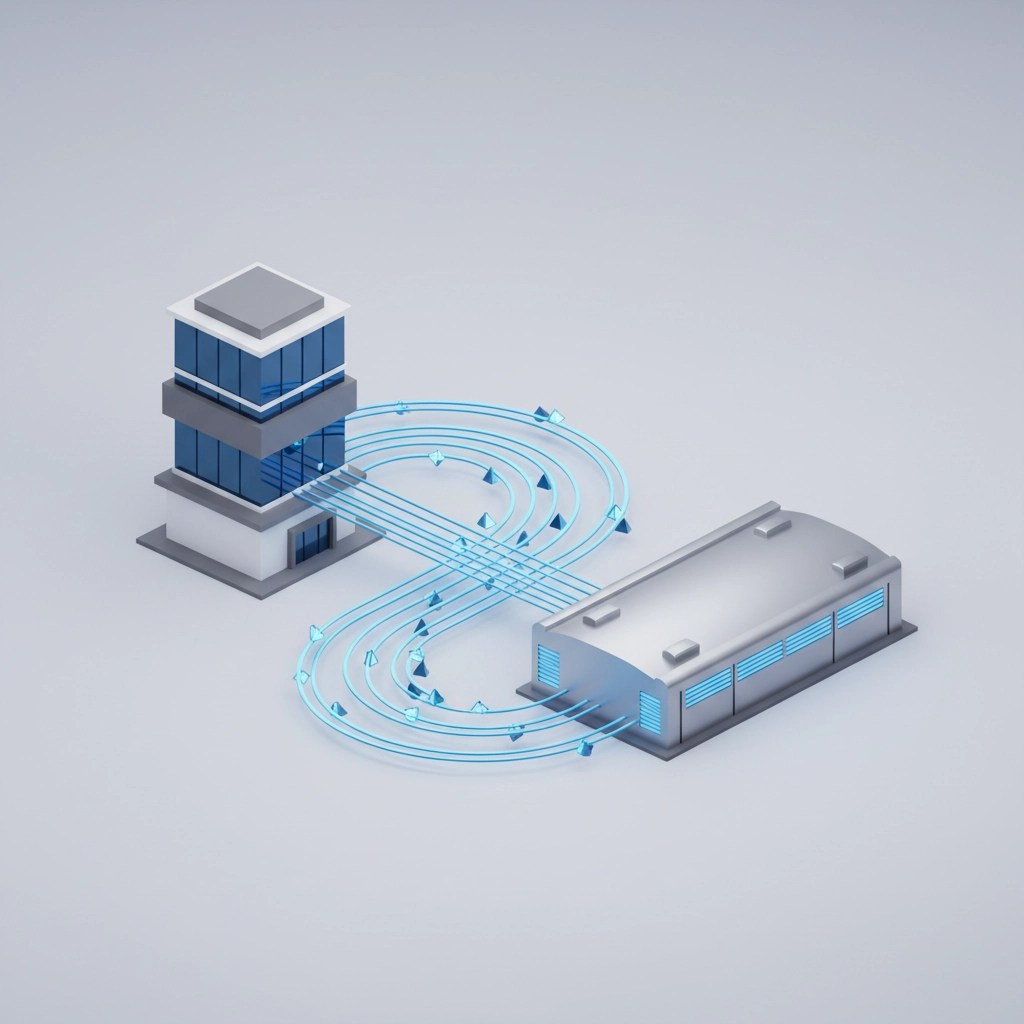
Here's the fundamental difference: Instead of owning and maintaining physical servers in your building, your business applications and data live in professionally managed data centers. Your team accesses everything through secure internet connections, just like checking email or browsing the web.
This isn't just "cloud storage" or "remote backup", it's your entire IT operation, professionally managed and maintained 24/7 by experts who specialize in keeping businesses running smoothly.
The Real Costs of In-House IT (That Nobody Talks About)
Most Detroit business owners focus on the obvious costs, salaries, benefits, equipment purchases. But the hidden expenses are what really drain your budget:
Downtime Recovery: When your server crashes on a Friday afternoon, how long does it take your internal IT person to get you back online? Hours? Days? Every minute costs you money.
Security Vulnerabilities: Can your IT person implement enterprise-level cybersecurity? Manage firewall configurations? Monitor for threats around the clock? Probably not at the level your business actually needs.
Scalability Nightmares: Want to add five new employees next month? Your IT person needs to order equipment, configure systems, and hope everything works perfectly. That's weeks of potential productivity loss.
Knowledge Gaps: What happens when your IT person takes vacation, gets sick, or finds a better job? Suddenly, you're the one troubleshooting email problems instead of running your business.
Why Detroit Businesses Are Making the Switch
Cost Predictability in an Unpredictable Economy
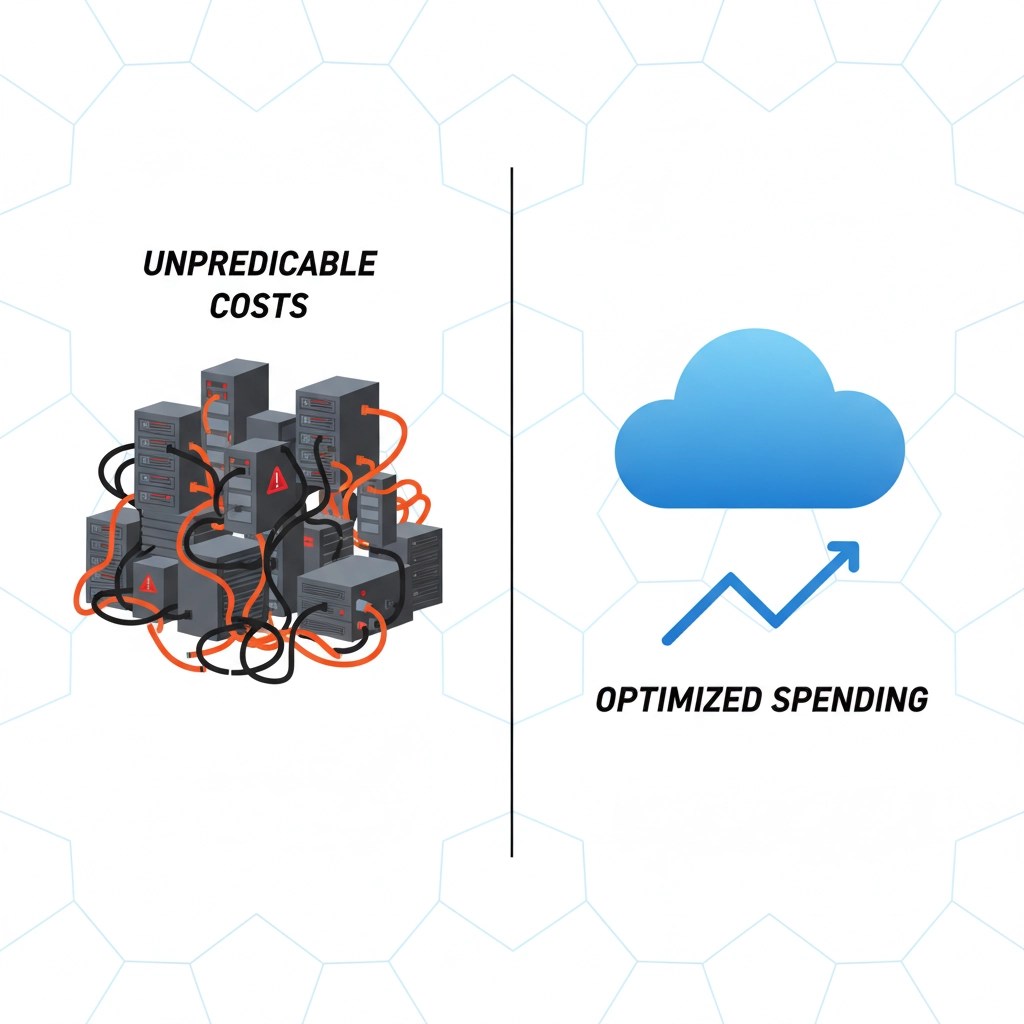
Detroit businesses know the value of financial predictability. With hosted IT services, you're trading unpredictable capital expenses for a fixed monthly operating cost. No more surprise hardware failures that require immediate $10,000 replacements. No more wondering if you can afford that necessary security upgrade.
You pay one monthly fee that covers everything: servers, software licensing, security monitoring, data backup, technical support, and regular updates. It's like having a world-class IT department for the cost of one entry-level technician.
Access to Enterprise-Level Technology
Here's what most small and medium businesses don't realize: hosted IT providers serve multiple clients, which means they can afford enterprise-grade infrastructure that would be impossible for a single company to justify.
You get access to:
- Redundant data centers with backup power systems
- Advanced cybersecurity tools and monitoring
- Professional-grade backup and disaster recovery
- Latest software versions and security patches
- 24/7 technical support from specialists
Try building that in-house with a $60,000 annual IT budget. It's not happening.
Improved Security (The Non-Negotiable Factor)
Cybersecurity isn't optional anymore, especially for Detroit businesses handling customer data, financial information, or proprietary processes. A single data breach can destroy decades of reputation building and cost hundreds of thousands in recovery expenses.
Hosted IT providers treat security as their primary responsibility because their entire business depends on it. They implement:
- Multi-layered firewall protection
- Continuous threat monitoring
- Regular security audits and updates
- Encrypted data transmission and storage
- Compliance with industry regulations
Your in-house IT person might be smart, but they're not monitoring threats at 2 AM or analyzing global security patterns to protect your business.
Guaranteed Uptime and Disaster Recovery

Remember the ice storms that knocked out power across Southeast Michigan in recent years? Businesses with in-house servers went dark. Companies using hosted IT services kept working because their data and applications were protected in professionally managed data centers with backup power, redundant internet connections, and disaster recovery protocols.
Most hosted IT providers guarantee 99.9% uptime. That's less than 9 hours of downtime per year. Can your current setup match that?
The Scalability Advantage
Growing businesses need technology that grows with them. Hosted IT services scale effortlessly:
Adding New Employees: New user accounts can be created in minutes, not weeks. No hardware to order or configure.
Seasonal Fluctuations: Need temporary access for seasonal workers? Easy to add and remove users as needed.
Geographic Expansion: Opening a new location? Your employees can access the same systems from anywhere with an internet connection.
Application Needs: Need new software capabilities? Most business applications are available immediately through hosted platforms.
Making the Transition: What Detroit Businesses Need to Know
The switch from in-house to hosted IT isn't complicated, but it requires planning. Here's the framework successful Detroit businesses follow:
Assessment Phase (2-4 weeks)
Document your current IT setup, applications, and workflows. Identify what's working and what's causing problems. Calculate your total current IT costs including salaries, equipment, software licensing, and maintenance.
Migration Planning (1-2 weeks)
Work with your hosted IT provider to plan the transition. This includes data migration scheduling, user training requirements, and establishing new support protocols.
Implementation (1-4 weeks)
The actual switch happens gradually, typically starting with less critical systems and moving to core business applications. This minimizes disruption to daily operations.

Optimization (Ongoing)
After the transition, you'll work with your provider to optimize performance, add new capabilities, and ensure the system evolves with your business needs.
The Competitive Reality
Your competitors are already making this move. While you're dealing with server maintenance and IT hiring headaches, they're focusing on customer service, product development, and market expansion.
The question isn't whether hosted IT services make sense, it's whether you can afford to fall further behind while you're stuck managing technology instead of growing your business.
Is Your Business Ready for Hosted IT Services?
Ask yourself these questions:
- Are you spending more than 20% of your time dealing with IT issues?
- Has your business experienced extended downtime in the past year due to technical problems?
- Are you confident your current security measures can prevent a costly data breach?
- Can your IT infrastructure easily support 50% business growth?
- Do you have reliable disaster recovery and business continuity plans?
If you answered "no" to any of these questions, it's time to explore hosted IT services.
Take Action Now
The shift to hosted IT services isn't a trend: it's the new standard for competitive businesses. Detroit companies that make this transition are reducing costs, improving reliability, and freeing up resources to focus on what they do best.
Don't let technology management hold your business back. Contact Tener Technologies today to discuss how hosted IT services can transform your operations and give you the competitive edge you need in today's market.
The time to act is now. Your business: and your bottom line( will thank you.)